
A client in Portomaso first noticed minor seepage during refurbishment works in the apartment above. That issue was addressed, but two months later a more serious flood occurred after an upstairs tap was left open.
When water has already spread through a property, the goal changes. It is not only about finding a hidden leak; it is also about mapping retained moisture so reinstatement does not happen too early.
What we checked
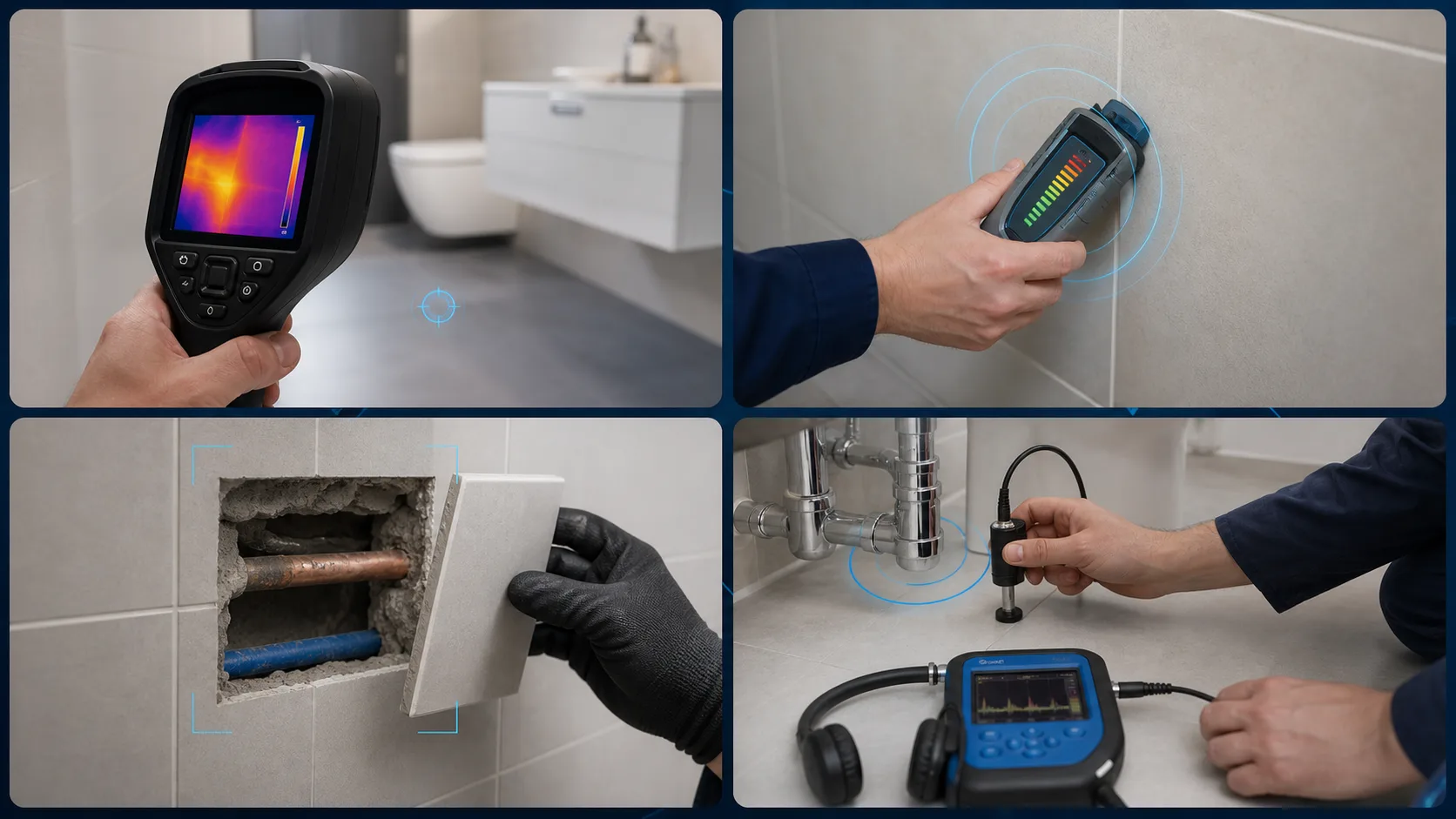
We documented visible damage during the inspection and used thermal imaging to look for moisture patterns beyond the obvious stains. Thermal images can help show where wet areas may remain behind finishes, but they still need to be interpreted with the rest of the property findings.
The affected areas included corridor ceiling sections, bathrooms, bedrooms and flooring zones.
Practical next steps
- Remove and replace clearly affected gypsum ceiling areas where required.
- Assess vulnerable flooring before reinstatement.
- Dry the affected areas in a controlled way.
- Re-check moisture before closing finishes.
- Keep inspection evidence for the owner, contractor or insurer.
Flood damage can look dramatic, but the hidden wet areas often create the longer worry. For similar cases, book thermal leak detection or leak detection reports so the next step is based on evidence.